MONITORING & MAPPING WATER QUALITY
Monitoring conditions in the Lagoon is equivalent to what doctors do for patients.
They use the information that they get from their monitors in order to determine what is wrong with a patient and to be sure that whatever they are doing is making the patient better and not worse.
ORCA’s goal is to provide the information that is needed to determine what aspects of the Lagoon have become unhealthy and what we can best do to put things back in balance.
Kilroy Network
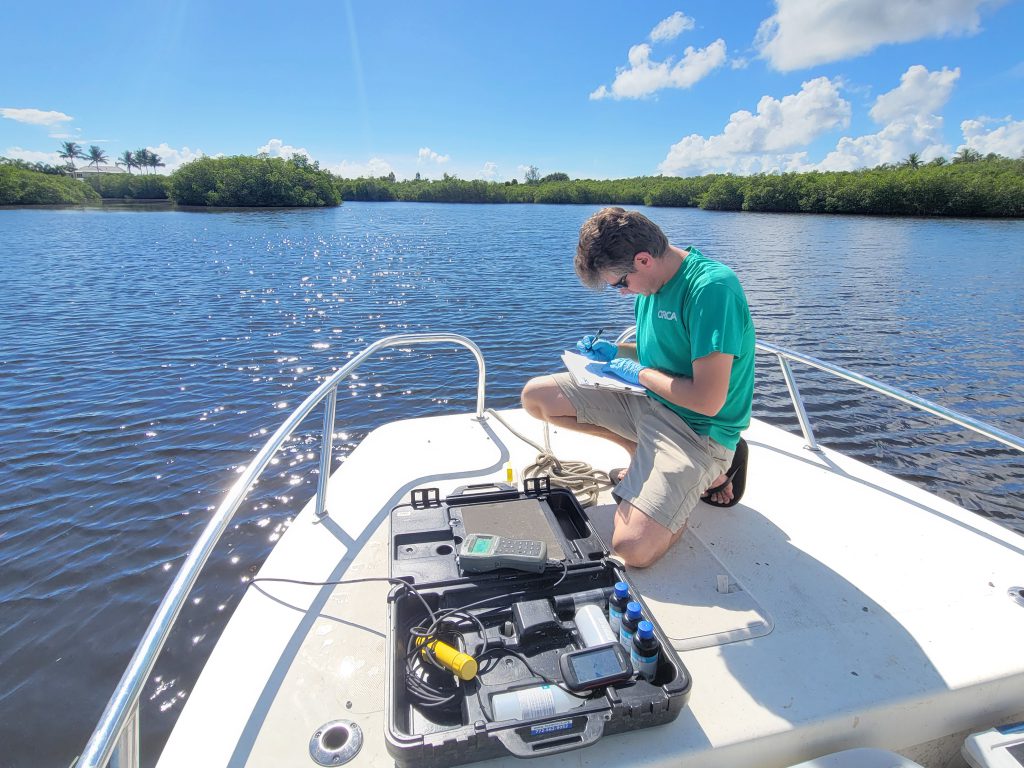
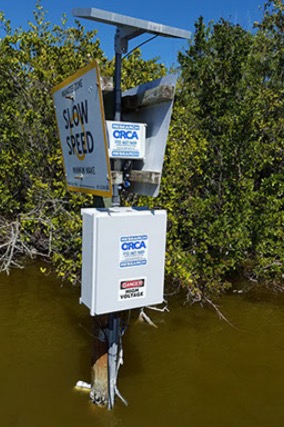
ORCA’s Kilroy Network is a comprehensive water quality monitoring system that provides continuous, real-time insight into the health of our waterways. By tracking a wide range of physical, chemical, biological, meteorological, and air quality indicators, the network empowers scientists and community members to better understand changing conditions and identify emerging threats.
Ecotoxicity Program
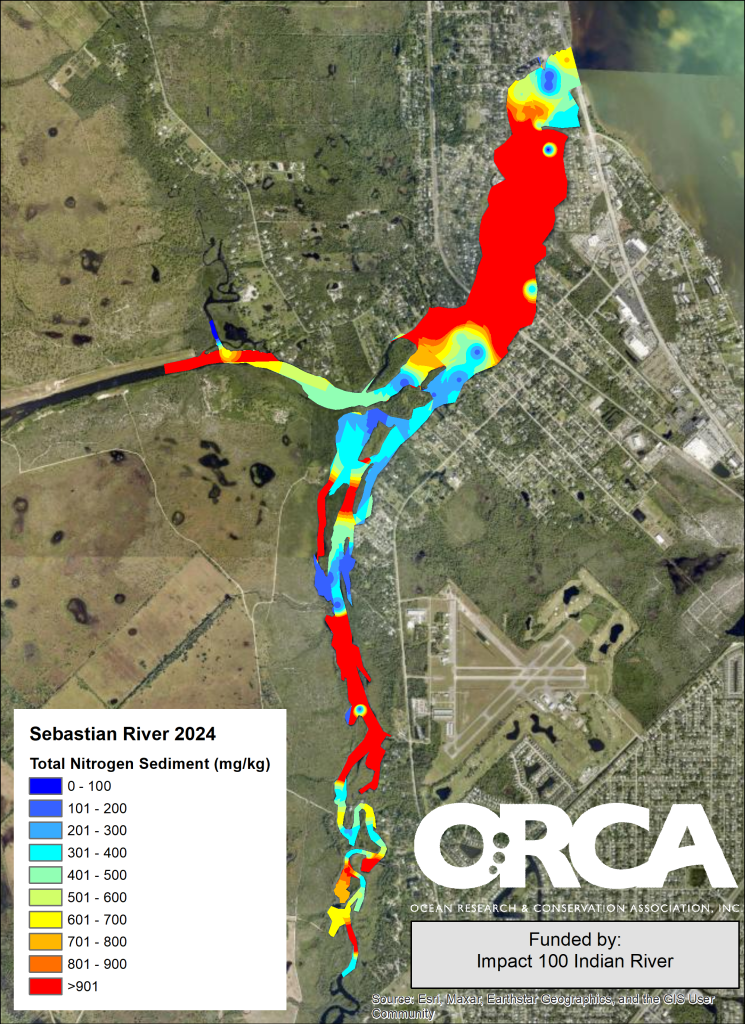
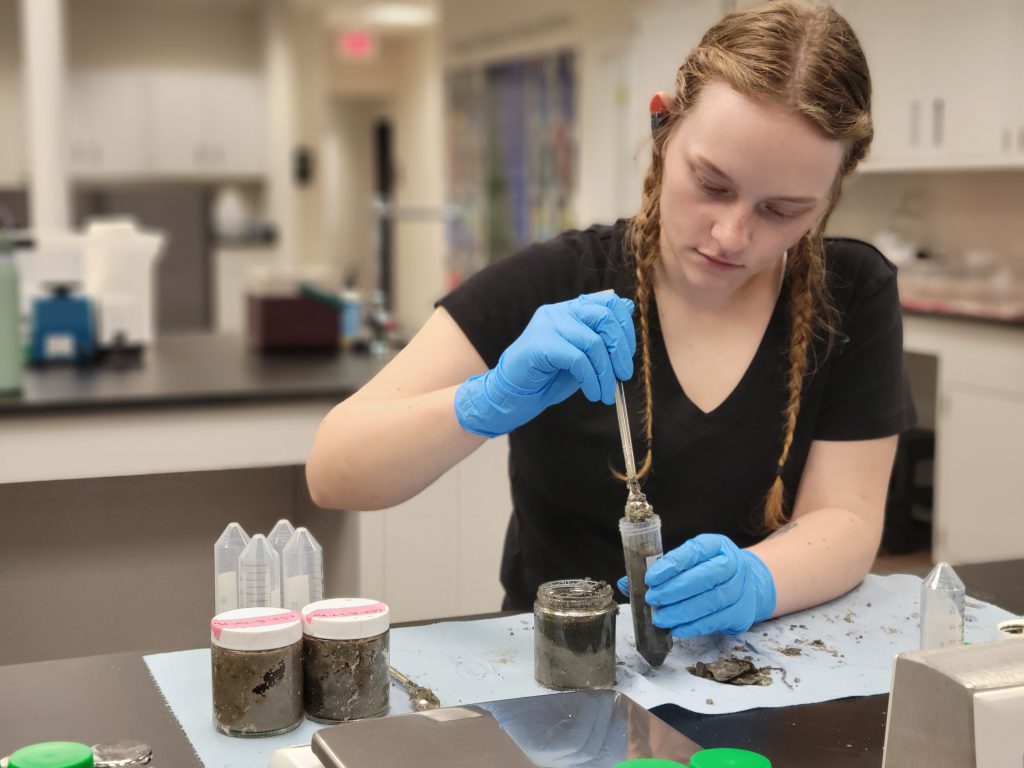
Sediment toxins remain a significant and unmeasured component of the health of the ecosystem. ORCA’s Ecotoxicity Program is a “canary in a coal mine” approach to assessing the health of a marine ecosystem. We complete dense sampling protocols and test sediment samples for a wide array of easily measured toxicity and nutrient parameters. The results are then mapped to show pollution hot-spots which are then monitored by the Kilroy Network to identify pollution sources. We assess the accumulation of toxins and nutrients in sediment samples in an effort to identify pollution sinks in aquatic environments.
The first step is to locate the sinks – areas where pollution accumulates in the sediments. Because sediments have a natural affinity for pollutants and because contaminants often have a much longer residence time in the sediments than the water, the best indicator of local water pollution problems often lies on the bottom.
ORCA’s Ecotoxicity program uses a broad-spectrum bio-assay to analyze sediment samples to determine the amount of contaminants in a given sample. The amount of light emitted by a known concentration of bioluminescent bacteria exposed to the sample is inversely related to the toxicity of the sample. When the toxicity levels determined in this manner are mapped based on collection location, a visual representation of high toxicity values cluster together at sinks – the location where the contaminated sediments accumulate. We also routinely test sediment samples for some of the most common, and concerning, pollutants including heavy metals and glyphosate. Finally, we test all samples for nitrogen, phosphorus and sulfur.
Much of the toxicity in the lagoon is associated with muck accumulation. Muck binds toxicants such as heavy metals, but it is also a source of hydrogen sulfide, produced by bacteria as they decompose organic matter in an oxygen poor environment. Hydrogen sulfide is as toxic as cyanide. It interferes with aerobic respiration, which means muck is literally smothering life in the lagoon. ORCA is investigating methods of mitigating muck accumulation as well as developing protocols for identifying other toxicants residing in the muck.